Do I Need a Foundation for My Accessory Structure in Massachusetts?
Yes — every accessory structure needs some kind of foundation. The real question is what kind, and that depends on what you're building, how big it is, and how it's configured. Here's how to think through it.
What Is an Accessory Structure?
An accessory structure is any building that is secondary to the main structure on your property — typically your home. Sheds, detached garages, greenhouses, workshops, pool houses, and gazebos all fall into this category. If it's a separate building on your lot that isn't your primary residence, it's an accessory structure. That distinction matters because Massachusetts building code treats accessory structures differently than primary structures, and so do most local zoning bylaws. If you're still working through whether your project needs a building permit, we covered that in detail in our post on Massachusetts accessory structure permits and zoning rules — start there, then come back.
Two Categories of Foundation
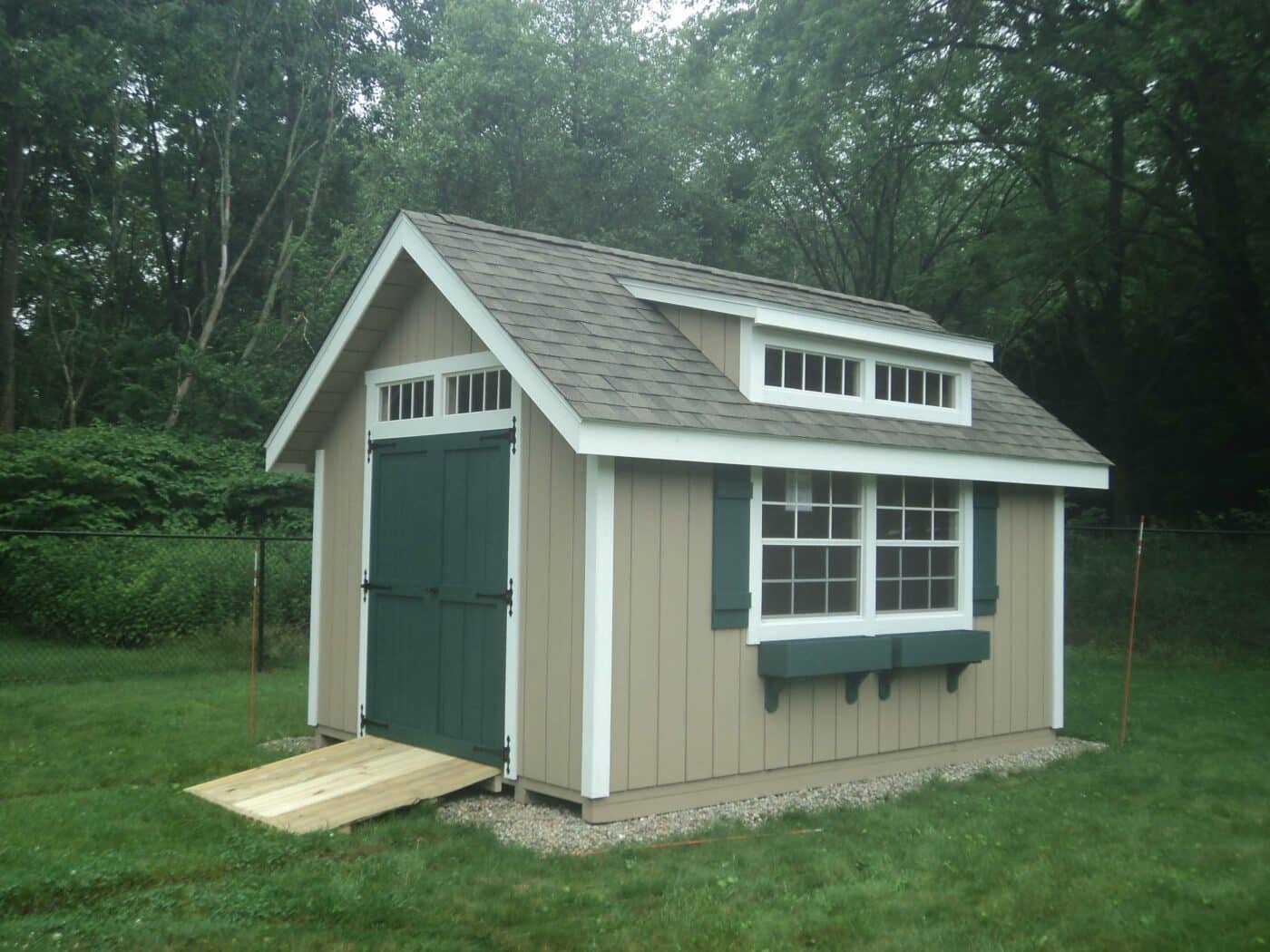
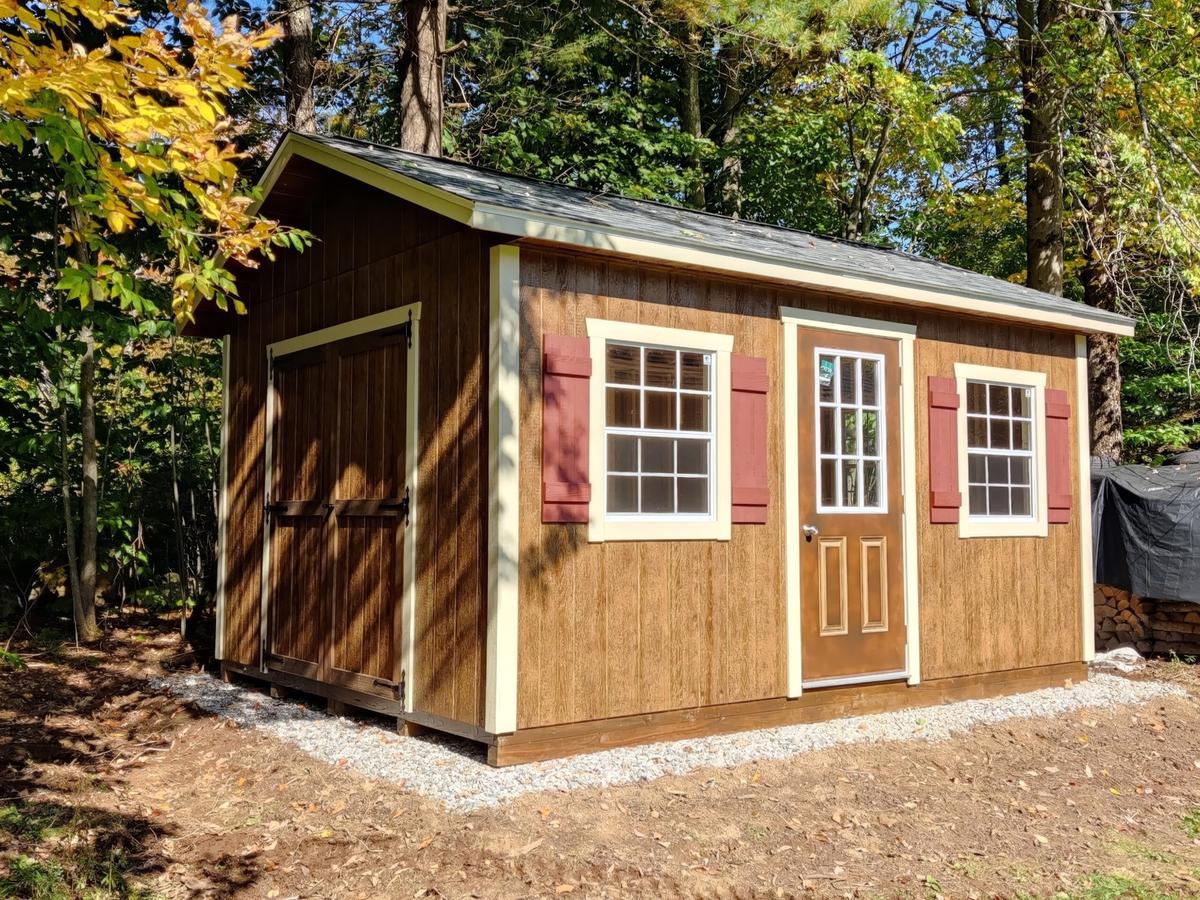
Every foundation for an accessory structure in Massachusetts falls into one of two categories. Non-frost-protected foundations sit on or near the surface. They don't extend below the frost line. The most common example is a stone pad — compacted crushed stone that the structure rests on. These are straightforward, cost-effective, and the right call for a wide range of projects. Frost-protected foundations extend below Massachusetts' 48-inch frost line. The ground in New England freezes deep, and a foundation that doesn't account for that will move with the seasons. For structures where movement isn't acceptable — garages being the clearest example — you need to go below frost depth.
Which One Does Your Project Need?
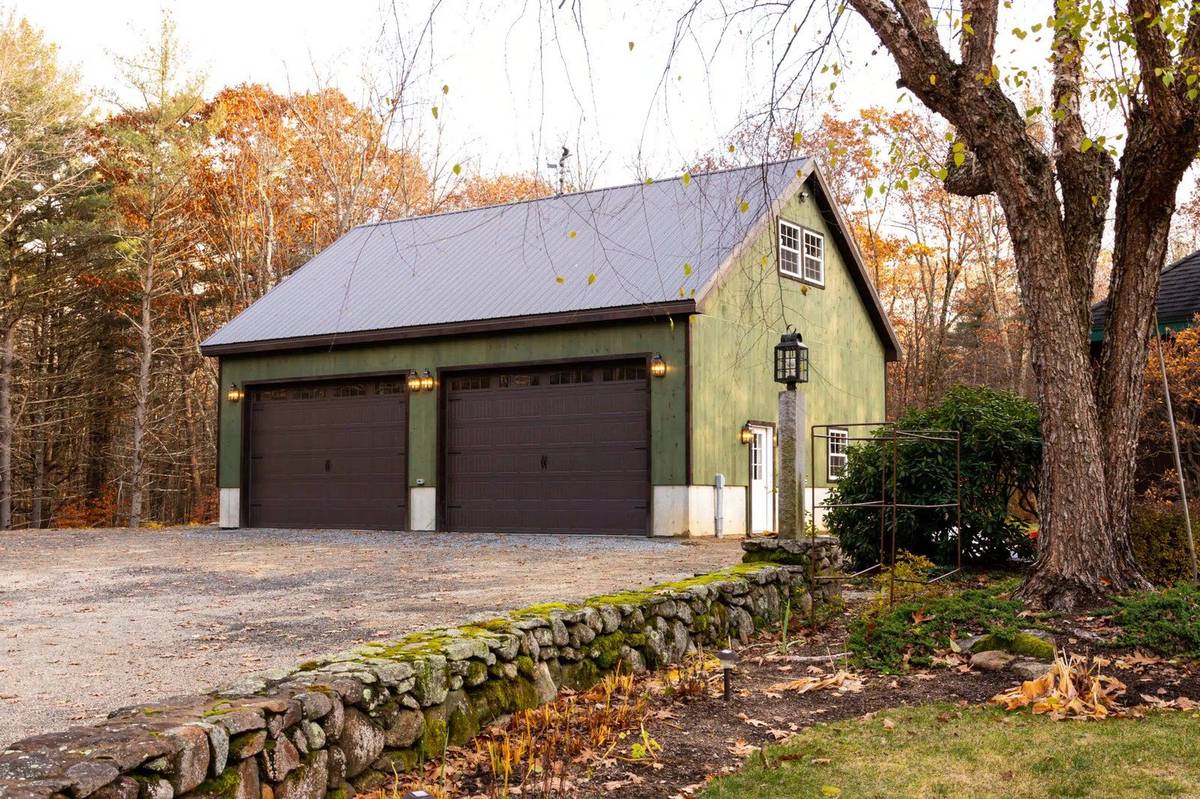
A stone pad works for storage sheds, greenhouses, and gazebos with a wood floor. For single-story structures with a sidewall height of 10 feet or less, a stone pad is acceptable up to 600 square feet. For two-story structures or any structure with a sidewall greater than 10 feet, a stone pad is acceptable up to 400 square feet — above that, a frost-protected foundation is required. A frost-protected foundation is required for any structure over 600 square feet, any two-story structure or structure with sidewall height over 10 feet that exceeds 400 square feet, and garages regardless of size. For pergolas and pavilions, the approach is different — those are anchored with helical piers or Sonotubes rather than a pad or wall system.
Where to Go From Here
We've written a dedicated post on each foundation type. Non-Frost-Protected Foundations for Accessory Structures in Massachusetts covers stone pads in full — how they're built, how they're sized, and what they're right for. Frost-Protected Foundations for Accessory Structures in Massachusetts covers garage stem walls, helical piers, and when you need to go below the frost line. If you're trying to figure out which direction your project needs to go, either of those posts will give you the full picture.
Frequently Asked Questions
Not Sure What Foundation Your Project Needs?
We've been building accessory structures across Western Massachusetts for over 25 years. Foundation questions come up on nearly every project and we're happy to walk through it with you. Call 413-562-7171.