One comfortable parking bay is 12 feet wide by 24 feet deep. That's the number to build every garage size decision around — not how many cars you own, because cars and parking bays aren't the same thing. Here's how the math plays out for 1, 2, 3, and 4-car garages, and where the common sizes quietly mislead you.
Start With the Bay, Not the Car Count
A comfortable parking bay is 12 feet wide by 24 feet deep. That gives you room to open doors, walk around the vehicle, and actually use the garage without scraping paint. You can build a smaller bay, but "comfortable" is the word to hold onto. Sizes below start from that 12×24 bay and work outward.
Sizing by Number of Cars
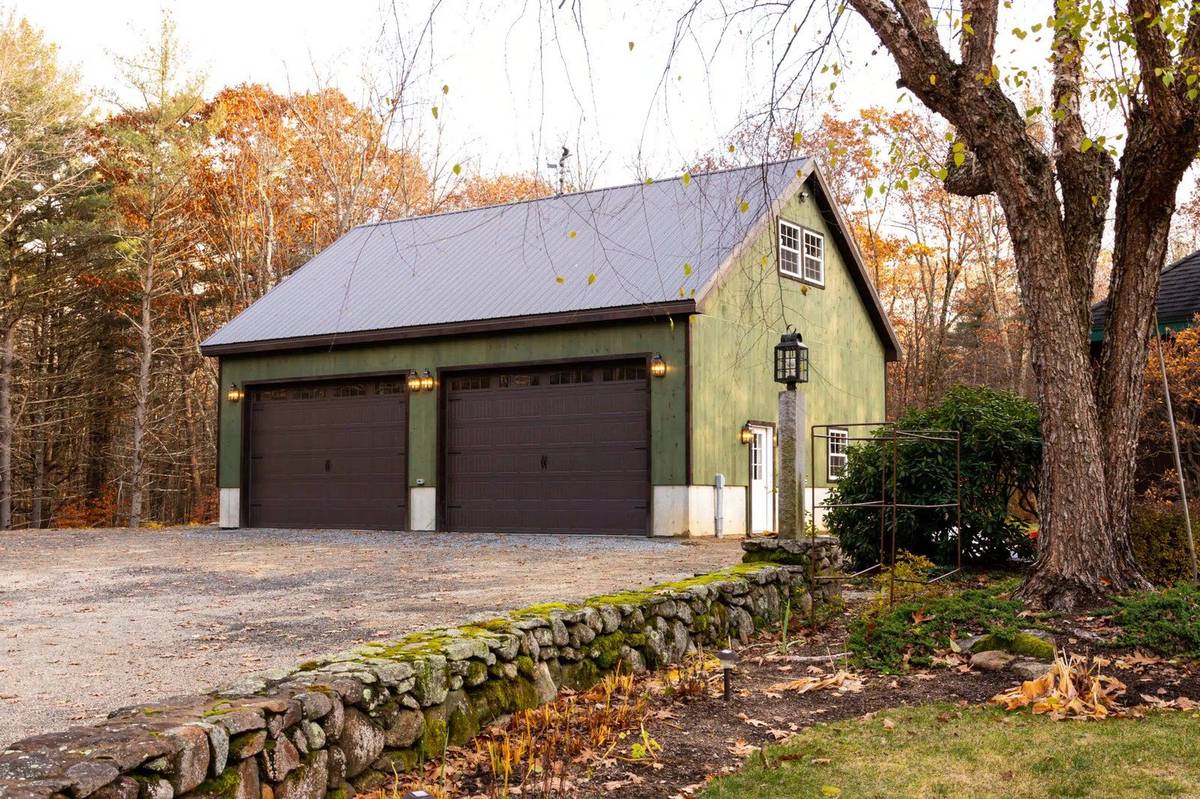
For one car, the minimum is roughly 12×24, though 20×24 is the more common, comfortable choice — it leaves room for bikes, tools, and a workbench without crowding the car. Two cars fit well in a 24×24, which you can orient either with the gable facing the street or with the eave side out front. For three cars, plan on 30 to 36 feet wide by 24 feet deep, with the doors on the eave side. For four cars, you're looking at at least 24×48 — either end-to-end or with doors across the long walls.
The Two Sizes That Fool People
A 24×32 looks like a three-car garage at a glance. It isn't. The numbers: two clear 12×24 bays use up 24×24, leaving an 8-foot sliver across the front — useful for shelves and bench space, but not a place a third car can park. It's a two-car garage with extra room. A 24×36 is the same story, further down the road: two full bays in front, and a 12×24 space across the back. That back space is genuinely useful storage or shop area, but it isn't a car bay unless you put a door in the back wall and drive to it. If you truly need three or four parked cars, size the building for the parked cars.
The Honest Note About Squeezing
Smaller footprints like 20×20 or 22×22 do get sold as two-car garages. And they can hold two very small cars — doors barely open, mirrors tucked, no room to move. If that describes your vehicles and your tolerance, fine. For most families, a 20×20 or 22×22 feels tight within the first month. That's the honest trade, stated plainly.
Size and Style Are Independent
Here's the part that surprises people: the size of the garage and the type of garage are two separate decisions. A one-, two-, three-, or four-car footprint can be built any of three ways — single-level, story-and-a-half, or full two-story. The type changes what's overhead. The footprint determines how many cars park below. Decide each on its own merits.
Not Sure How Many Cars to Plan For? Start With the Guide
We've put the complete sizing walkthrough — by car count, by layout, and by the traps to avoid — in our Garage Size Guide. If you're not sure whether to plan for the two cars you have today or the three you might have in five years, that's a conversation worth having before the foundation goes in. No pressure on the answer; we'd rather help you get it right.
Frequently Asked Questions
Get a Free Custom Garage Quote
Sizing is where every good garage starts, and it's the part that's painful to change after the foundation. Tell us how many cars you have today — and how many you might have in five years — and we'll walk you through the footprint that fits. No pressure, no runaround. Call 413-562-7171.